The Hybrid Model
Efficiency-Focused Methadone Dose Assembly: Hybrid Pre-Pours and Real-Time Dosing with ZING
As opioid treatment programs (OTPs) continue to adapt to expanded take-home policies and persistent workforce shortages, one operational question remains central:
How should clinics assemble methadone doses in a way that maximizes safety, efficiency, and both nurse and patient experience?
Based on our experience supporting clinics across 13 states and the assembly of more than 2.5 million doses, we have found the most effective model to be a hybrid approach using ZING for both pre-pours and real-time dosing:
- Pre-pours for patients with extended take-home doses (for example, 13 days or 27 days) who are stable and reliable
- Real-time dosing for patients receiving shorter-interval doses or those with medical appointments
When implemented thoughtfully, this blended model can significantly improve clinic flow, improve both nurse and patient experience, and create a more sustainable and predictable workflow for staff.
Why a Hybrid Model Makes Operational Sense
1. Matching Workflow to Clinical Reality
Patients receiving extended take-homes are typically stable, reliable for attendance, familiar to staff, and subject to structured monitoring. Their dosing schedules are predictable. Pre-assembling these doses in advance with ZING can:
- Reduce early-morning bottlenecks
- Minimize repetitive manual pouring during peak windows
- Enable dose prep during slow periods rather than during peak patient flow
- Allow nurses to focus on clinical assessment and patient interaction
- Support more predictable staffing workflows
By contrast, patients receiving daily or short-interval doses often require real-time review. Changes in dose, clinical status, or regulatory requirements may require immediate oversight. Real-time assembly supports this flexibility and reduces the likelihood of returning prepared doses back to inventory if a patient does not show.
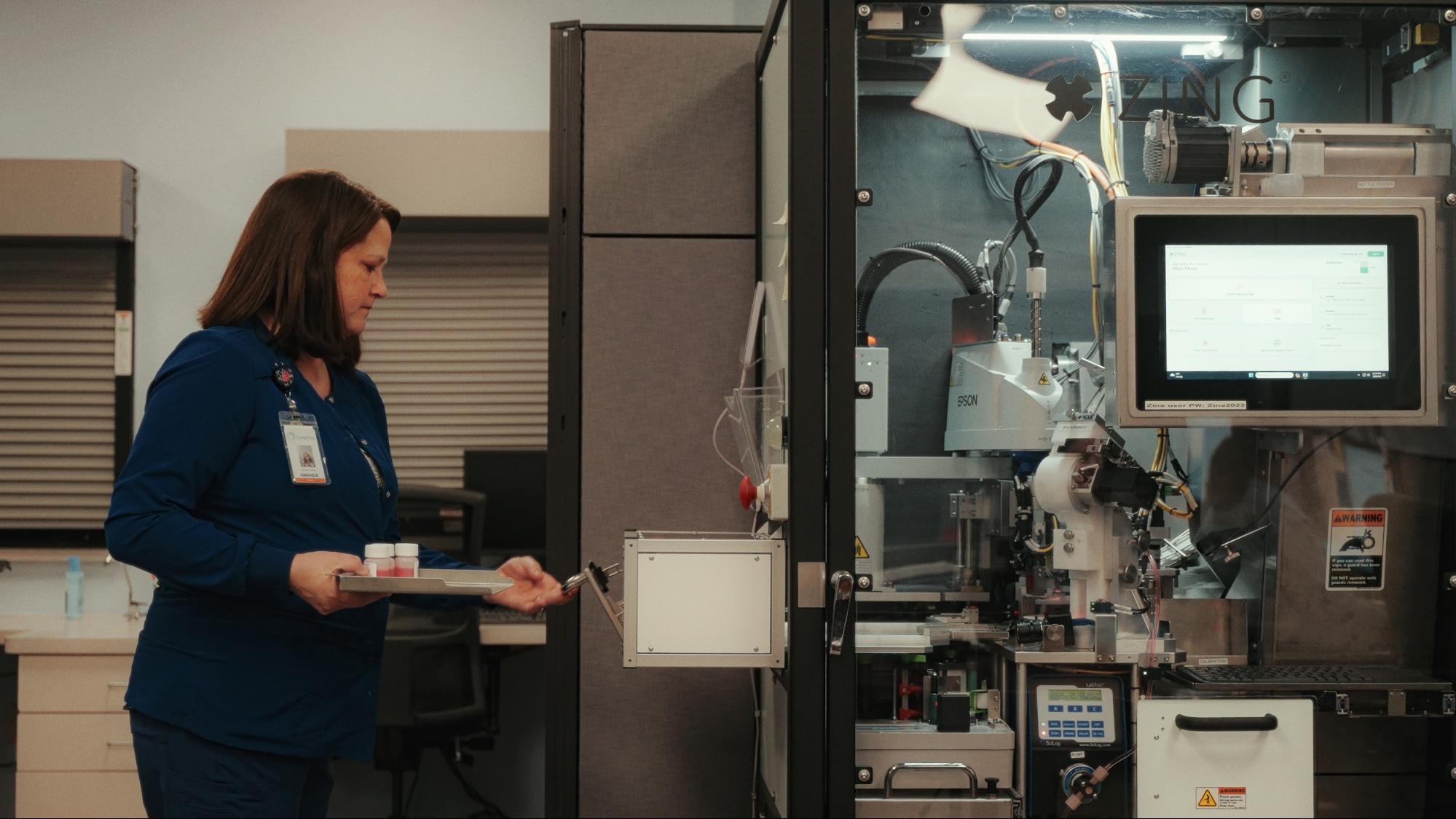
In the hybrid workflow, the nurse sends the pre-pour order to ZING and then returns to other tasks. While nurses are helping patients at the window, performing intakes, or doing other clinical duties, ZING prepares the pre-pours. At the nurse's convenience, completed orders are retrieved, bundled, and placed in the safe. Meanwhile, ZING continues working through the remaining pre-pour orders.
If a patient arrives at the dosing window and requires real-time doses, the nurse can prioritize that order in the system. ZING immediately moves that order to the top of the queue and prepares it next in line. Once the prioritized dose is completed, ZING resumes preparing the remaining queued pre-pour doses.
Throughout the shift, nurses periodically retrieve finished orders and store them securely, while ZING continues assembling doses. By the end of the day, the next day's doses are prepared without pulling nurses away from patient care.
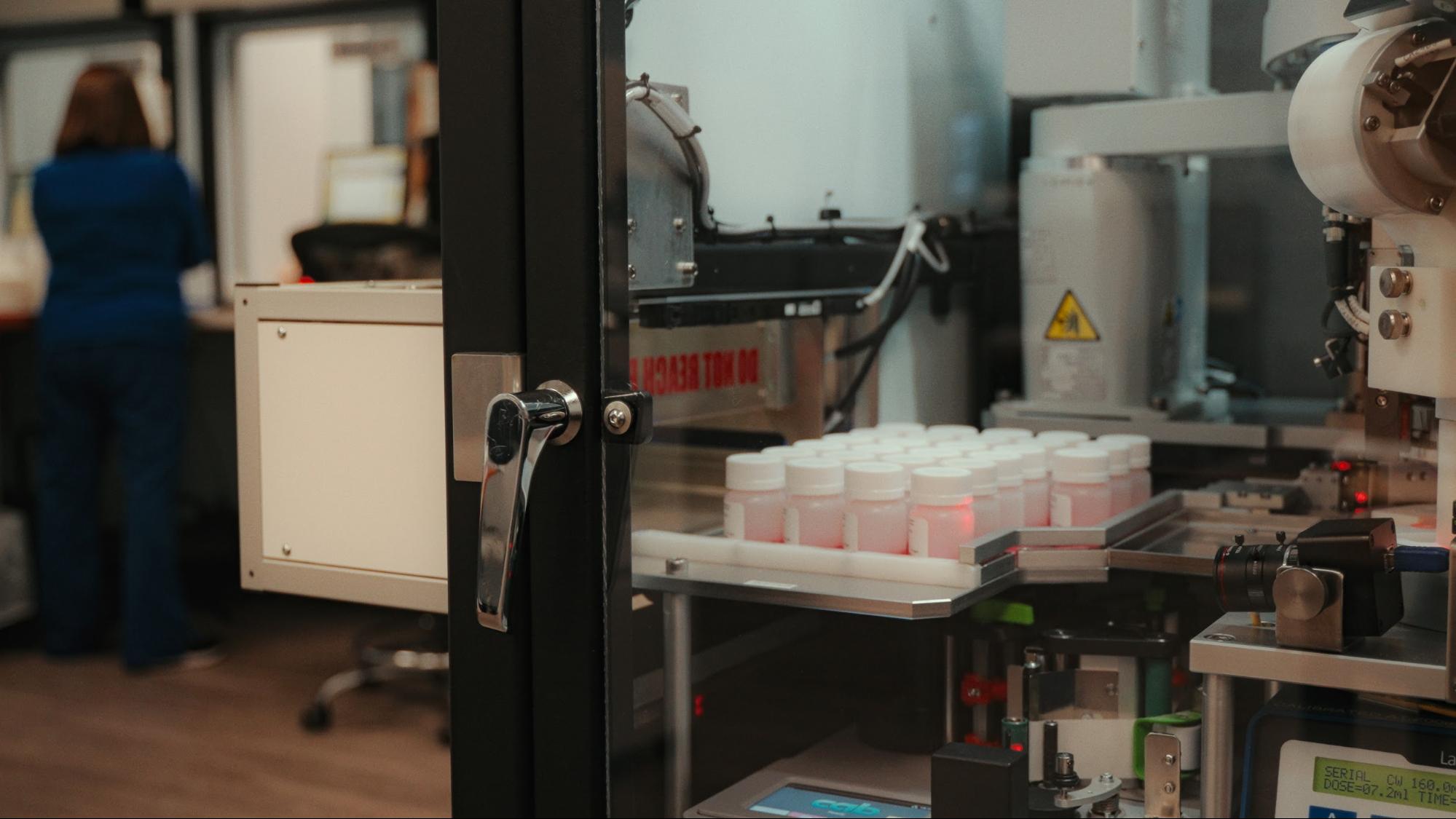
Each dose prepared by ZING is labeled, capped, and foil-sealed, supporting a wide range of dosing needs including split doses and titration schedules.
This hybrid model allows clinics to align operational efficiency with clinical priorities. Automation handles repetitive preparation, while nurses focus on what matters most: patient care.
Addressing State Variability
States differ in their requirements regarding pre-pouring timelines, storage conditions, documentation, and supervision. Some limit how far in advance doses may be assembled. Others require specific security or verification procedures.
A compliant hybrid model must account for:
- State-specific advance preparation rules
- Secure storage and inventory controls
- Clear chain-of-custody documentation
- Regular reconciliation processes
Technology does not replace compliance. It must be configured to support it.
Preventing Medication Errors in Pre-Pouring
Pre-pouring introduces operational efficiency, but it also demands safeguards.
To reduce medication error risk, clinics implementing advance assembly should consider:
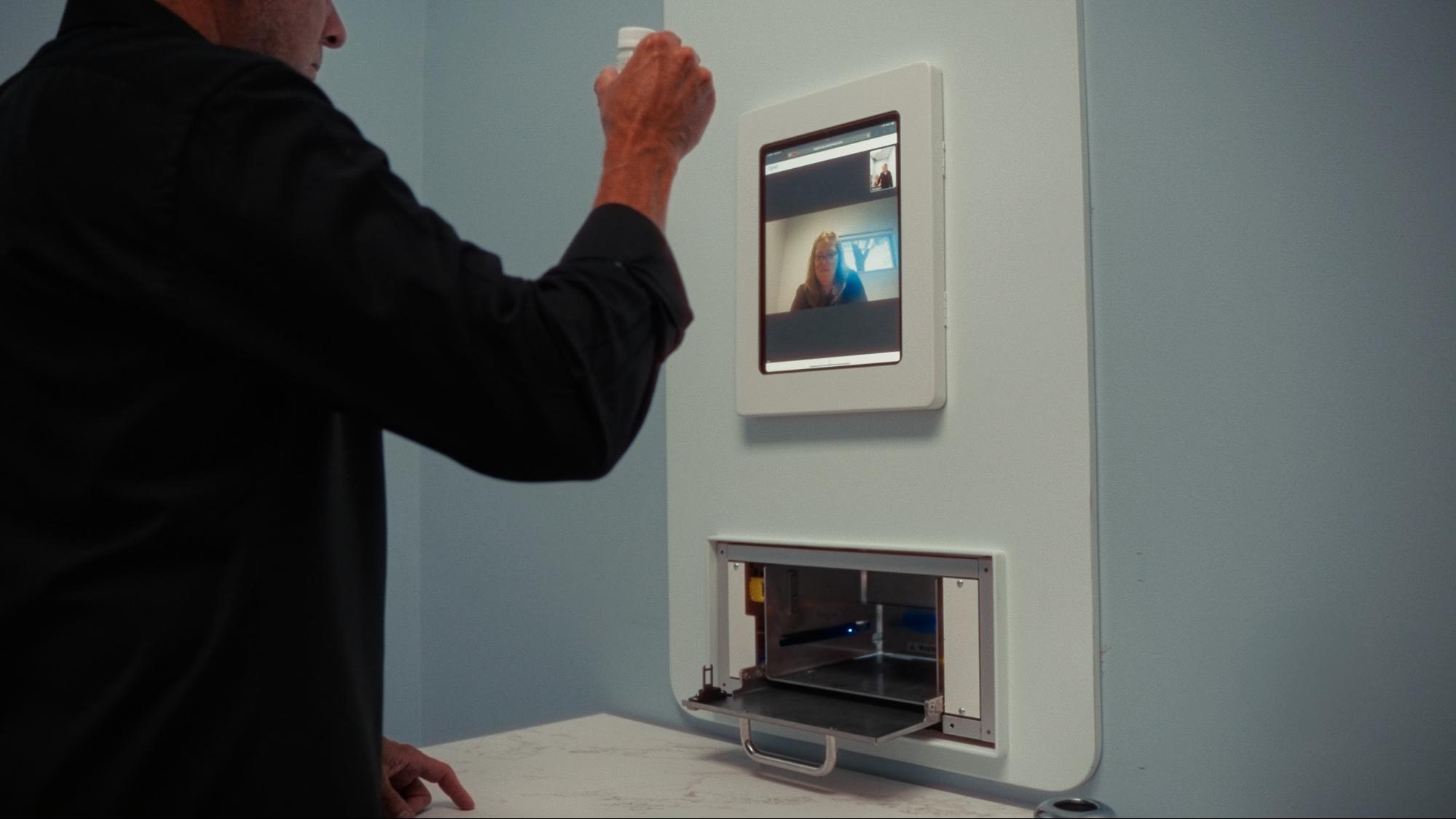
- Barcode or digital verification workflows prior to dispensing, such as Proof™, to confirm the right doses are given to the right patient
- Segregated, clearly labeled storage by patient and date
- Daily reconciliation of prepared versus dispensed doses
- Defined protocols for dose changes or cancellations before pickup
Automation can reduce medication errors, but workflow discipline remains essential. Clinics should define clear processes for dose changes after preparation or take-home schedule changes.
Workforce Sustainability Without Compromising Care
The purpose of this model is to improve both nurse and patient experience by preparing doses for stable, reliable patients in advance. By completing much of the dose preparation ahead of time, clinics can reduce the morning bottleneck that occurs during peak dosing hours.
Preparing doses in advance with ZING gives nurses more flexibility throughout the day. Instead of being tied to repetitive preparation tasks, nurses can focus on what is most important in the moment, whether patient interactions, intakes, or other responsibilities, while ZING continues preparing doses in the background.
This approach creates smoother workflow for staff and a more efficient, predictable experience for patients.
It is designed to:
- Reduce repetitive manual labor
- Lower physical strain associated with high-volume cap-and-seal workflows
- Stabilize staffing in high-volume clinics
- Preserve time for patient counseling and assessment
- Create a more predictable staffing model at the windows
Across the clinics we support, operational improvements typically emerge within 60-90 days as workflows settle and staff roles adjust.
In many cases, the outcome is better use of limited nursing capacity, including expanded clinical services and improved patient care.
A Measured Path Forward
For busy clinics, the optimal approach to methadone dose assembly is not all pre-pours or all real-time dosing. It is a deliberate combination:
- Advance assembly for stable, longer take-home patients
- Real-time preparation for dynamic clinical scenarios
- Standardized, automated precision across both
As OTPs navigate evolving regulations and growing demand, operational infrastructure must adapt accordingly.
A hybrid model provides flexibility, supports safety, strengthens sustainability, and improves patient experience, allowing clinics to focus on their central mission: delivering evidence-based care with dignity and consistency.

Amber Norbeck
Co-Founder and Chief Product and Innovation Officer