RHT
Bringing Methadone Treatment to Rural America: ZING® Satellite Alignment with the Rural Health Transformation (RHT) Program
The Opportunity: A Transformative New Rural Health Fund
In 2025, the Centers for Medicare & Medicaid Services (CMS) launched the Rural Health Transformation (RHT) Program, a historic $50 billion federal investment over five years designed to strengthen rural healthcare delivery nationwide.
Through RHT, states can fund innovative models that:
- Expand access points for care
- Strengthen behavioral health and substance use disorder (SUD) treatment
- Build workforce capacity
- Deploy technology-enabled care infrastructure
- Create sustainable, long-term rural health systems
Importantly, RHT explicitly allows funds to support access to opioid use disorder (OUD) treatment services. This creates a rare opportunity to align federal investment with durable solutions for rural methadone access.
Why Methadone Matters and Why Rural Areas Are Underserved
Methadone remains one of the most effective treatments for opioid use disorder, particularly in the fentanyl era.
Yet rural communities often lack access, with only 1 in 5 US counties having an opioid treatment program (OTP).
Traditional OTPs require:
- Brick-and-mortar facilities with significant capital investment
- Licensed onsite dosing staff
- High patient census to remain financially viable
- Frequent patient visits, usually daily in early treatment
- Or costly mobile methadone vans with complex staffing models
At the same time, rural America faces chronic workforce shortages. The result: many patients must travel long distances, sometimes hours, to access life-saving care. Travel barriers reduce retention, increase instability, and widen inequities.
RHT funding provides a pathway to change this reality.
Enter ZING® Satellite: A Smart, Sustainable Solution
ZING Satellite was designed specifically to address the structural barriers preventing rural methadone access under current regulations.
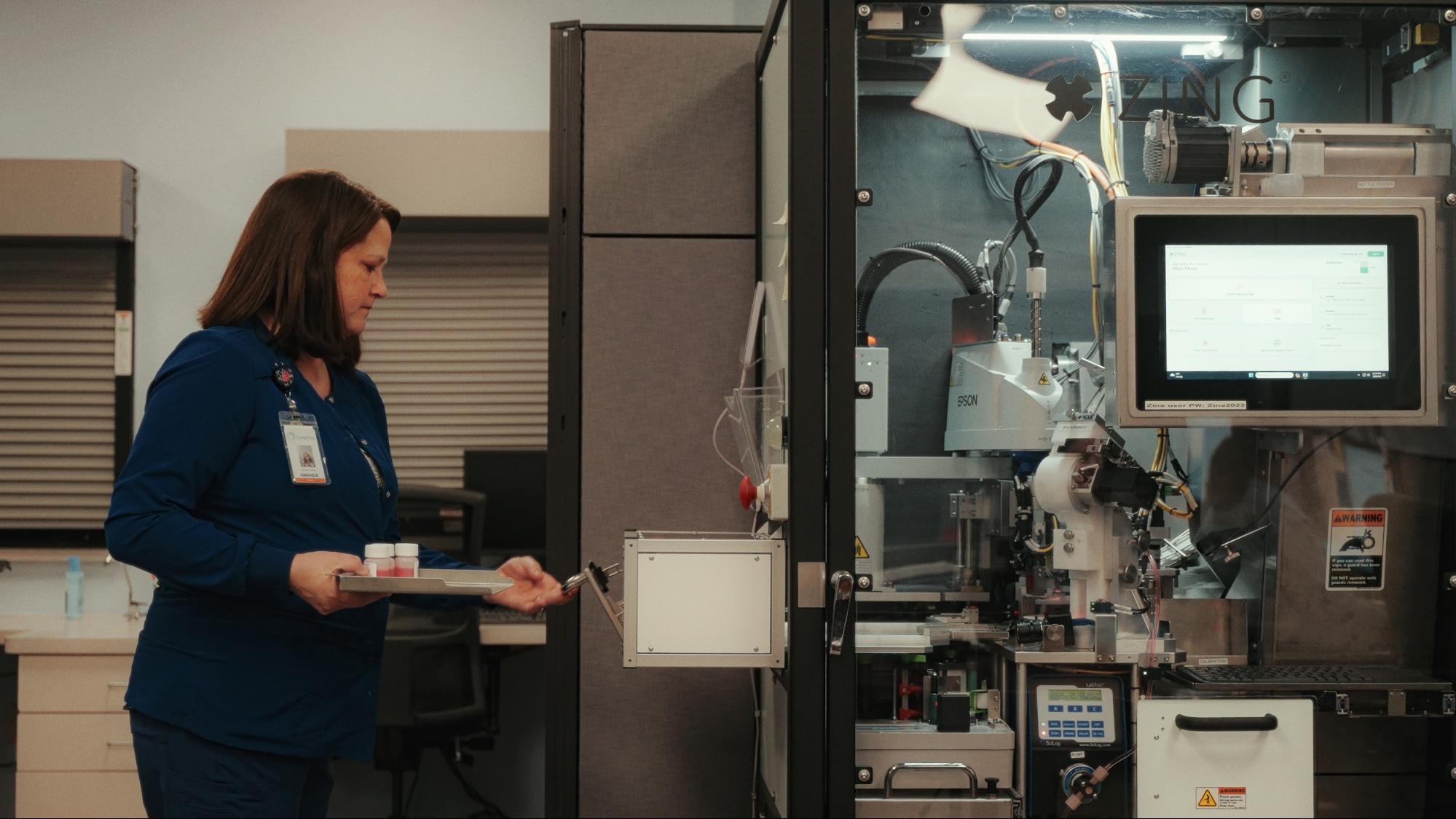
It enables OTPs to open new medication access points in existing healthcare settings without building full clinics or deploying mobile vans.
How ZING Satellite Aligns with RHT Priorities
1. New Access Points for Behavioral Health
ZING Satellite can be deployed within:
- Rural health centers
- Federally Qualified Health Centers (FQHCs)
- Community health clinics
- Behavioral health centers
- Other community-based sites
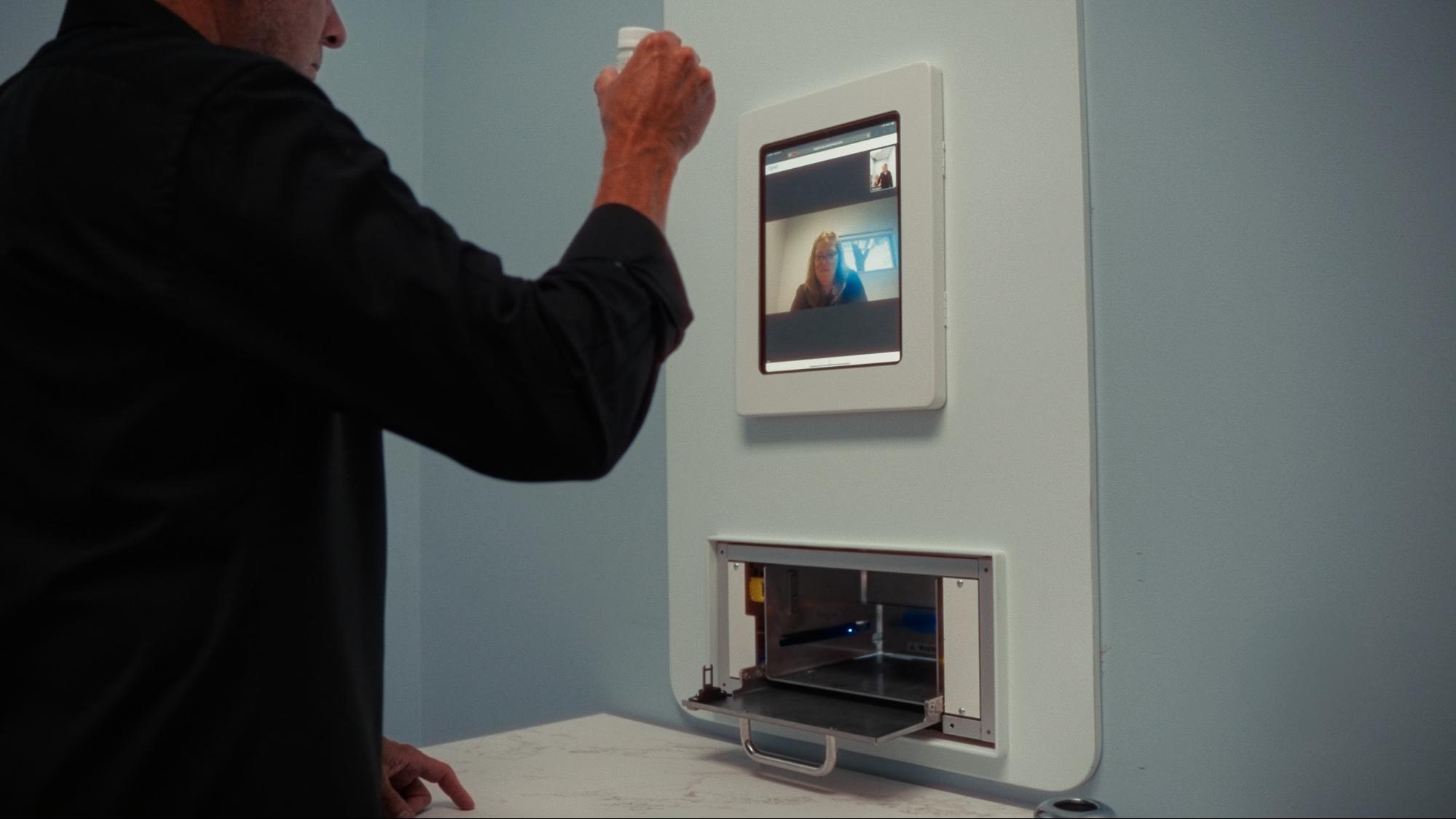
The operating OTP registers the location as a satellite medication unit. Patients are served in real time by remote OTP nurses using robotic automation. They get the same quality of specialty addiction care closer to home.
This expands access without duplicating full infrastructure.
2. Sustainable Infrastructure, Not Temporary Grants
RHT is designed to create durable change. ZING Satellite aligns by:
- Requiring lower upfront capital than building clinics
- Operating with lower ongoing staffing needs
- Remaining viable at lower patient census levels
Once installed, the system becomes part of the OTP's long-term operations, not a short-lived pilot dependent on temporary funding.
3. Workforce Sustainability
Rural healthcare workforce shortages are real. ZING automates methadone dose assembly, reducing repetitive preparation burden on limited clinical staff. ZING Satellite allows one remote nurse to serve multiple access points in different communities.
These solutions enable programs to:
- Add service lines without proportionally increasing staff
- Reduce dosing bottlenecks
- Reallocate nursing time toward patient care
- Maintain safe standards amid attrition
RHT emphasizes workforce innovation. ZING and ZING Satellite operationalize it.
4. Cost-Effective and Scalable
Compared to traditional models:
- No full brick-and-mortar build-out
- No dedicated mobile fleet
- No requirement to staff a full clinic at each site
This makes rural expansion financially realistic, even in lower-volume communities. States can fund multiple access points for the cost of one traditional facility.
ZING Satellite: A Strategic Investment in Rural Health
By supporting ZING Satellite through RHT, states can:
- Launch methadone access in underserved communities
- Build long-term OUD infrastructure
- Improve equity by reducing travel barriers
- Increase retention by bringing care closer to home
- Strengthen rural behavioral health capacity
This is not a temporary access workaround. It is infrastructure.
How It Works
The demo video below shows how ZING Satellite enables secure, compliant, real-time dispensing by a remote nurse at a satellite medication unit while maintaining centralized oversight and distributed access.
Who Should Consider This Approach?
State Health Departments
Health departments developing Rural Health Transformation plans for 2026-2030. ZING Satellite aligns directly with RHT priorities around behavioral health, workforce sustainability, and technology-enabled care delivery.
Rural Clinics and FQHCs
Organizations seeking to add OUD medication services without building a full OTP or absorbing unsustainable capital costs.
Opioid Treatment Programs
Leaders looking for scalable, sustainable solutions to expand services in new communities.
Next Steps
If you are developing an RHT proposal or rural health strategy:
- Connect with our team to understand setup and regulatory requirements
- Assess potential rural sites for feasibility
- Explore integration with existing rural health systems
- Incorporate ZING Satellite into your 2026-2030 rural health roadmap
Rural America deserves access to evidence-based OUD treatment.
Amber Norbeck
Co-Founder and Chief Product and Innovation Officer